

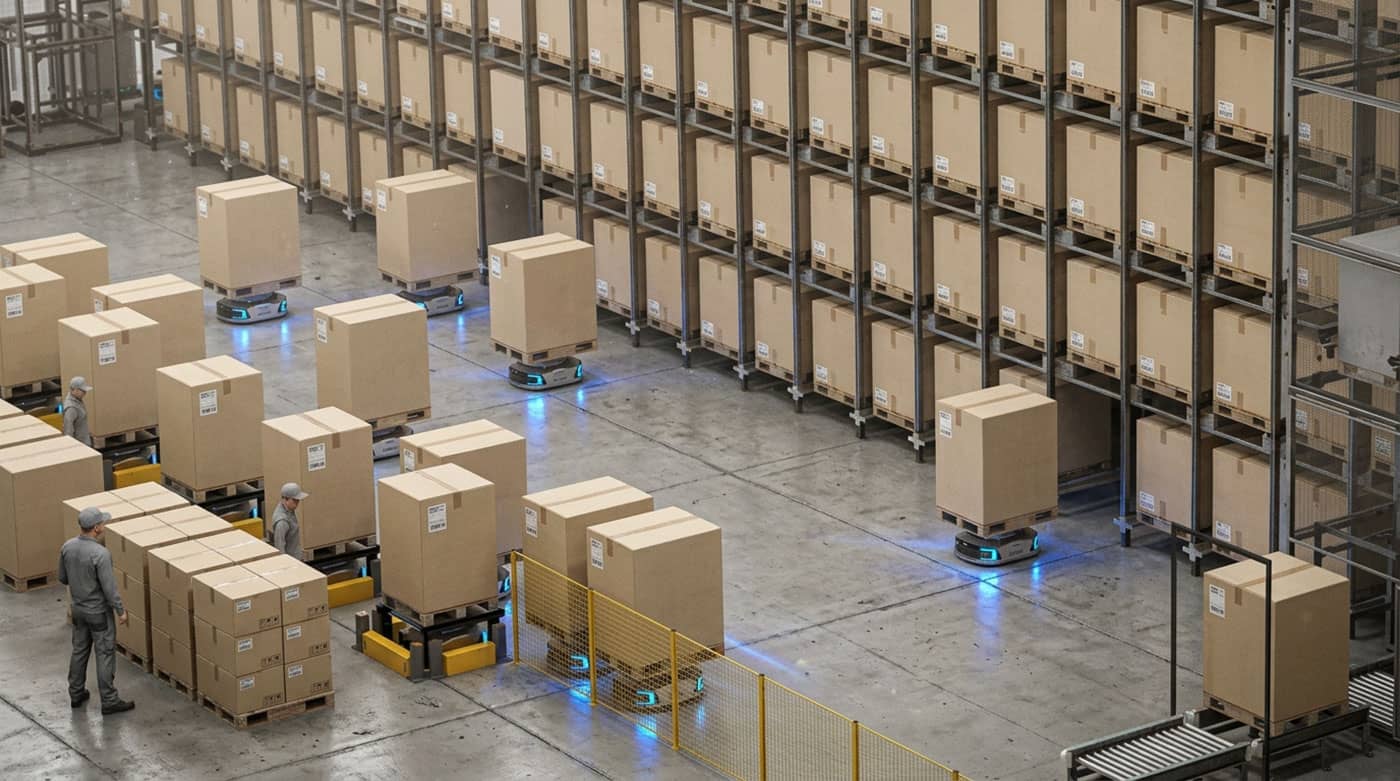
There comes a point where working harder isn’t the answer, whether more people, more picking routes, more workarounds old processes – eventually it stops working. Full automation gives you a different way forward, where the operation is designed to flow seamlessly from day one, rather than constantly being managed and adapted for growth.
Automated Solutions
Full warehouse automation, focused where it makes the biggest impact
Our full warehouse automation systems can transform your whole warehouse or be introduced in key areas, depending on what your operation needs.
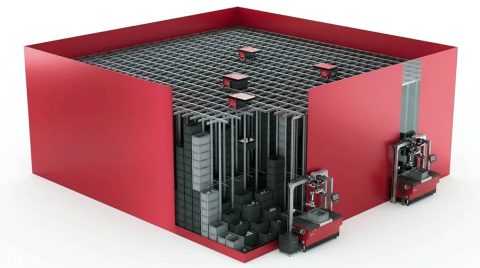
Goods-to-Person Systems
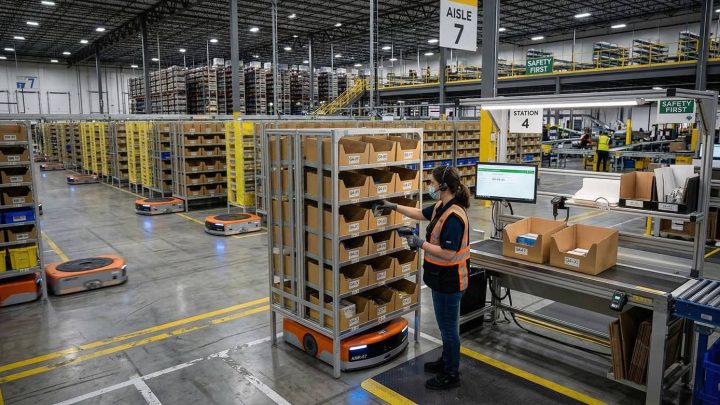
Totes, shelves, or pallets delivered straight to picking stations, so your team focuses on value-add work, not travel and retrieval.
Read more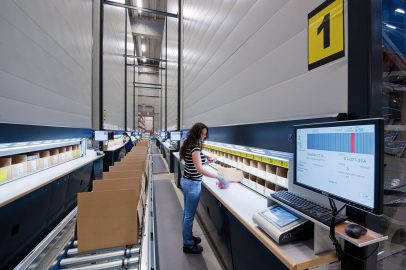
Vertical Lift Modules (VLMs)
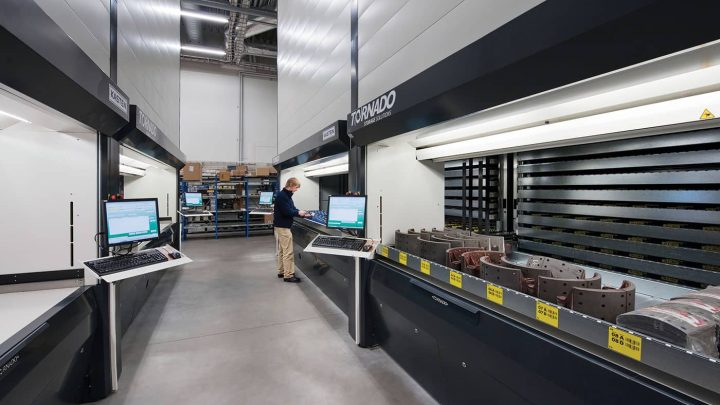
Compact, enclosed vertical storage modules that brings items to you, instead of the other way around.
Book a call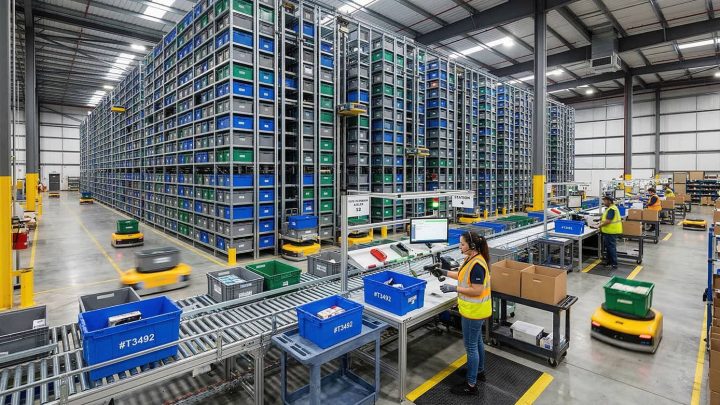
Warehouse Semi-automation
Start building towards warehouse automation
Introduce semi-automated warehouse systems that improve flow, increase throughput, and reduce manual pressure in the areas that need it most, while keeping flexibility across the rest of your operation.
Frequently Asked Questions
It’s where systems like Automated Storage & Retrieval Systems (ASRS), Vertical Lift Machines (VLM), goods-to-person, and pallet shuttles work together as one connected operation, reducing manual handling across storage, picking, and movement.
Not necessarily. It becomes relevant whenever the current setup starts to limit throughput, accuracy, or space, regardless of overall size.
Typically a combination of Automated Storage & Retrieval Systems, goods-to-person solutions, vertical lift modules, and automated pallet shuttle systems, depending on the operation.
By reducing travel time, structuring how goods move, and creating a more continuous flow through the warehouse.
That depends on the setup, but improvements in efficiency and output are usually felt as soon as the system is in place.
Yes. Many systems are designed to fit into existing buildings and can be adapted around current operations.
Yes. It can be designed to grow alongside your business, without needing to rethink the entire operation each time demand increases.