

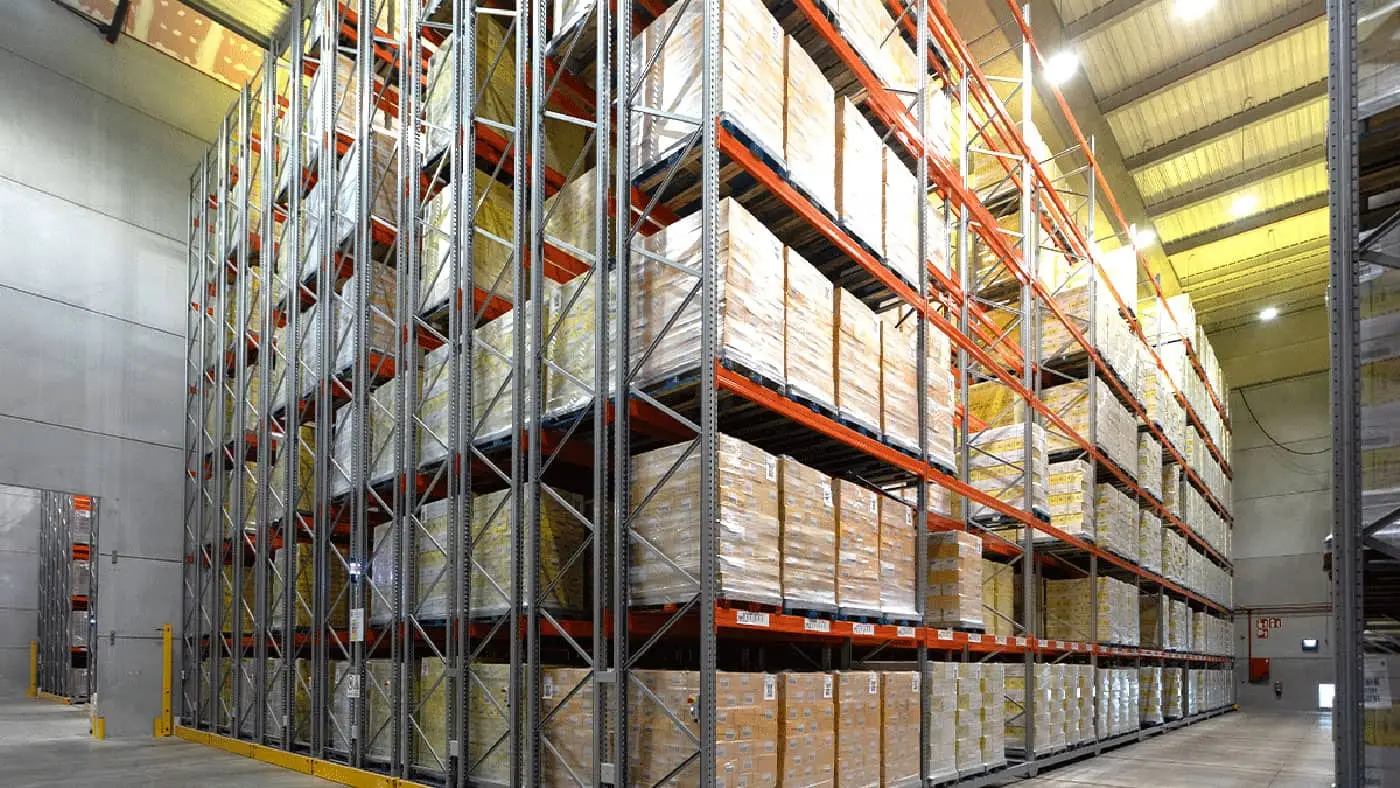
Warehouse space rarely runs out gradually — it tightens as growth builds. Mobile pallet racking increases usable capacity within your existing footprint by removing fixed aisles and compacting storage when access isn’t required. It’s a practical way to create smarter use of space when relocation isn’t viable or layout efficiency is holding operations back. The result is a more structured, higher-density warehouse that supports growth within the space you already have.
Want a precise figure for your warehouse?
This calculator gives an estimated storage capacities. Our mobile pallet racking experts can show exact capacity gains based on your building, racking type, and handling equipment during a free site survey.
About BSE UK
Spaces that Make Your Ambitions a Reality
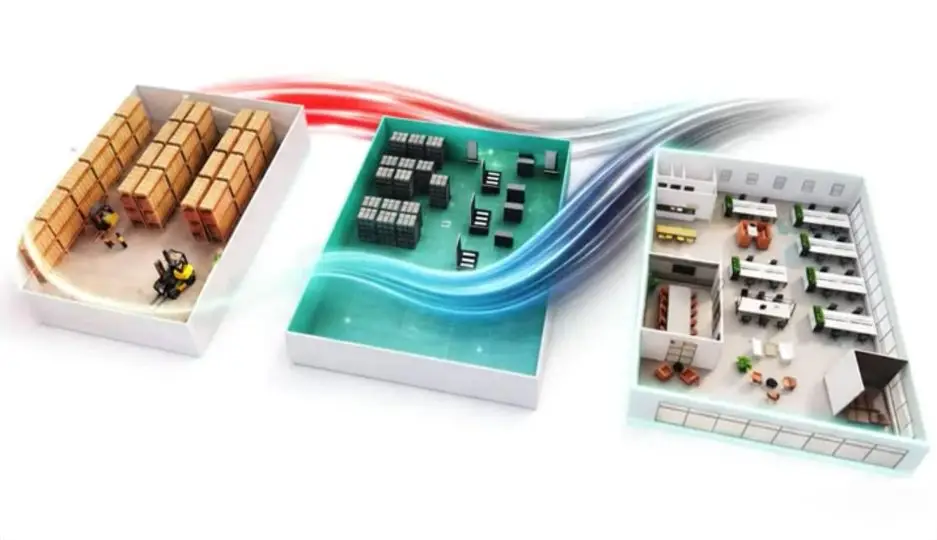
Turn your ideas into fully visualised warehouse and office layouts that improve flow, maximise space, and support long term operational performance.
Frequently Asked Questions
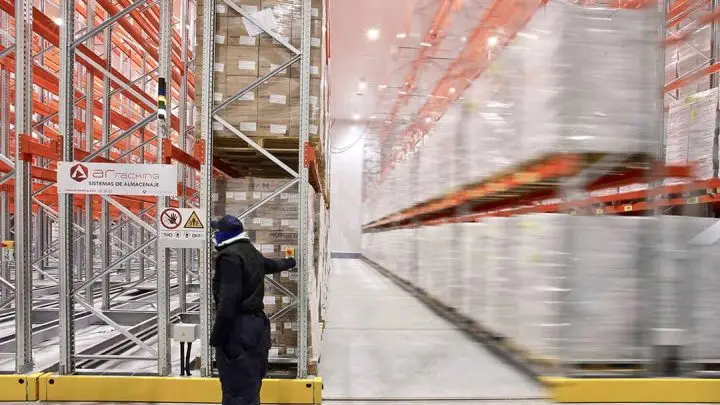
Mobile pallet racking is a high density storage system where racking is mounted on mobile bases, allowing aisles to be removed and opened only when needed.
Rather than having fixed aisles between every run of pallet racking, you create a single controlled access aisle which can be mechanically moved. This means you can store more pallets in the same floor space than standard adjustable pallet racking systems.
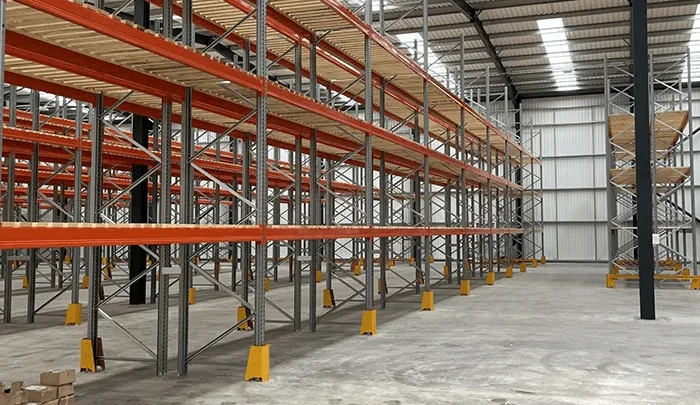
In most warehouse environments, mobile pallet racking reduces the aisle space required which is usually around 3.3m wide depending on the forklift being used. Having open aisles in a standard pallet racking system is one of the largest inefficiencies in a static layout.
The actual saving depends on your workflows and layout, but it typically gives a much higher storage density compared to conventional systems such as drive-in racking or standard adjustable racking. When compared to standard pallet racking, mobile warehouse racking could free up around 85% of your floor space.
It depends on how your warehouse operates and the types of products you’re storing.
- Mobile pallet racking gives you direct access to the pallets stored in each open aisle
- Drive-in racking maximises storage density but limits access (best for FILO operations)
If you need frequent access to a wide range of SKUs, mobile racking is often the more flexible option. If you’re storing bulk, low-turnover stock, drive-in racking can still be a strong solution.
Yes, in many cases mobile racks can be designed around your existing operations, handling equipment, and storage requirements.
It’s often used alongside other systems such as standard pallet racking or integrated into wider warehouse automation strategies where space efficiency and flow are critical.
For more advanced setups, it can also sit alongside warehouse automation solutions to improve storage density and operational control.
Not always. Mobile pallet racking can often be designed to suit a wide range of racking heights, but it must be engineered to your building, loads, and operating conditions, with final suitability confirmed through a design review covering factors like building height, pallet weights, floor condition, and access requirements.
Mobile pallet racking is typically used in warehouses where space is becoming a constraint but relocation isn’t the preferred option.
You’ll often see it used in:
- Logistics and distribution centres
- Cold storage environments
- Manufacturing warehouses
- Retail and eCommerce fulfilment operations
Mobile pallet racking is not full automation, but it can be a step towards more efficient, semi-automated storage. Where warehouse automation focuses on movement, picking, and system integration, mobile racking focuses on space efficiency and density.
Yes, this type of system is perfect for businesses with growth in mind. As your storage needs change, mobile racking layouts can be extended or reconfigured to increase your warehouse storage capacity without requiring a full warehouse relocation.