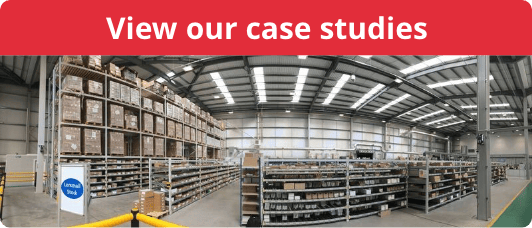
Pallet Racking Safety: Choosing The Right Forklift For Your Warehouse
Growing a warehouse isn’t just about reaching maximum storage capacity. Although racking configurations that maximise headroom space with higher bays or narrower aisles for higher density storage in smaller spaces are important considerations, faster more streamlined workflow that make sense for your operation is arguably the top consideration, and it all affects the way people and equipment are used. Pallet racking safety is about making these operations safe and efficient but also robust and lasting too.
One of the top mistakes that are made in warehouse storage safety is choosing the wrong forklift for your racking system. This can majorly slow down your warehouse operations, can cause damage, and even put your teams at risk. Getting the right combination of racking and trucks is one thing, but ensuring your operators are trained correctly keeps things moving - all supporting your business growth.
Compatible Forklifts and Racking Systems
The type of racking system you choose will shape the way forklifts can move and operate around your warehouse layout, so picking the right truck is about understanding the layout and workflow on site, rather than the storage equipment alone.
Adjustable Pallet Racking
Adjustable pallet racking or ‘wide aisle’ racking is the most common type of warehouse storage solution. It’s modular design makes it useful for businesses needing a cost effective warehouse layout that allows flexibility for configurations and pallet sizes.
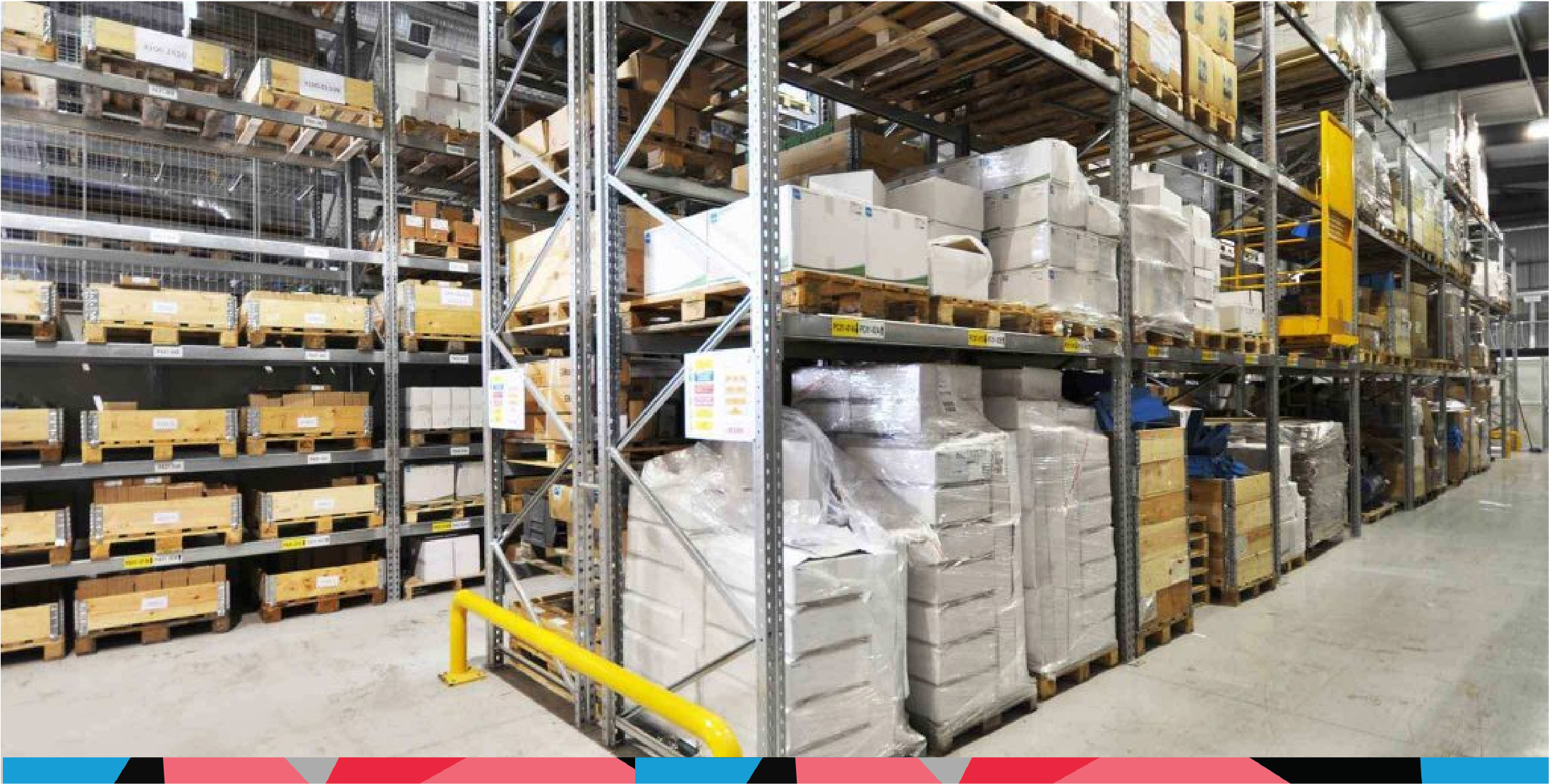
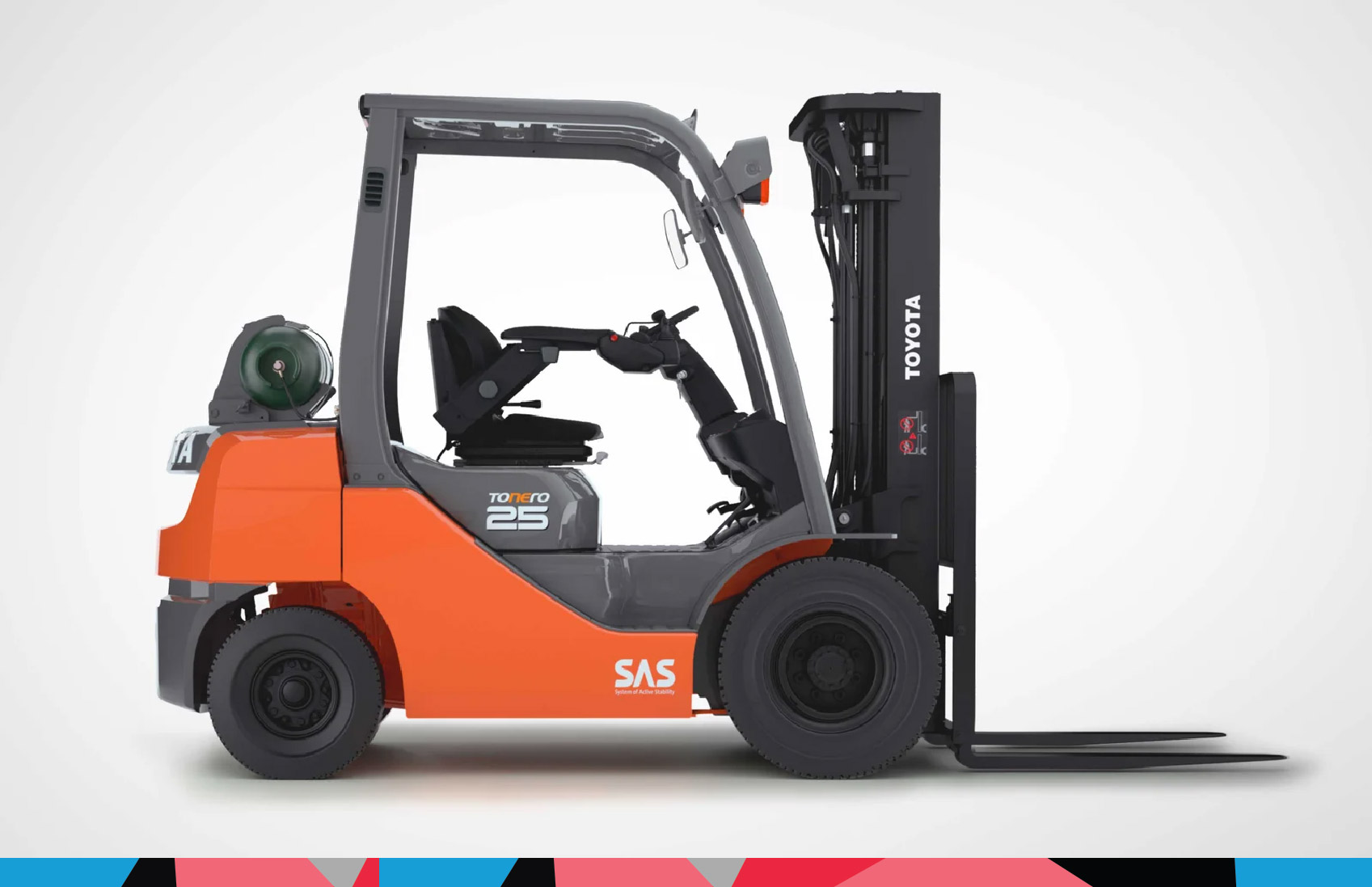
Counterbalance forklifts are the best match for this type of pallet racking. They move easily through standard width aisles and handle a variety of pallet sizes. For most warehouses that are scaling operations with conventional pallet racking, these trucks definitely balance cost and versatility with reliability.
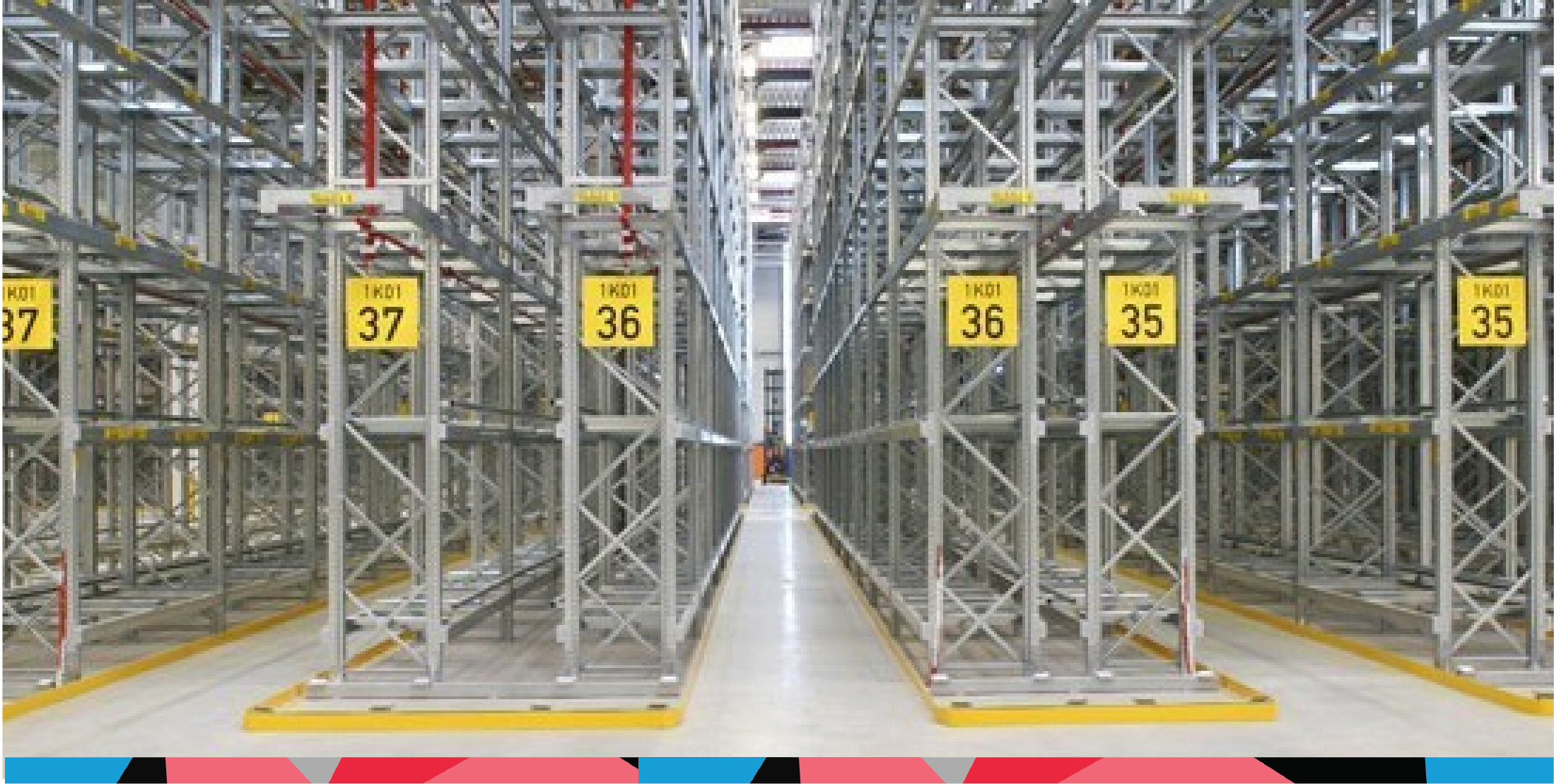
Very Narrow Aisle (VNA) Systems
When your warehouse space is limited, (VNA) Very Narrow Aisle racking increases storage capacity without expanding the footprint. However, with this type of racking layout standard forklifts can’t navigate the narrow aisles safely due to their wider turning circles and movement at the end of aisles.
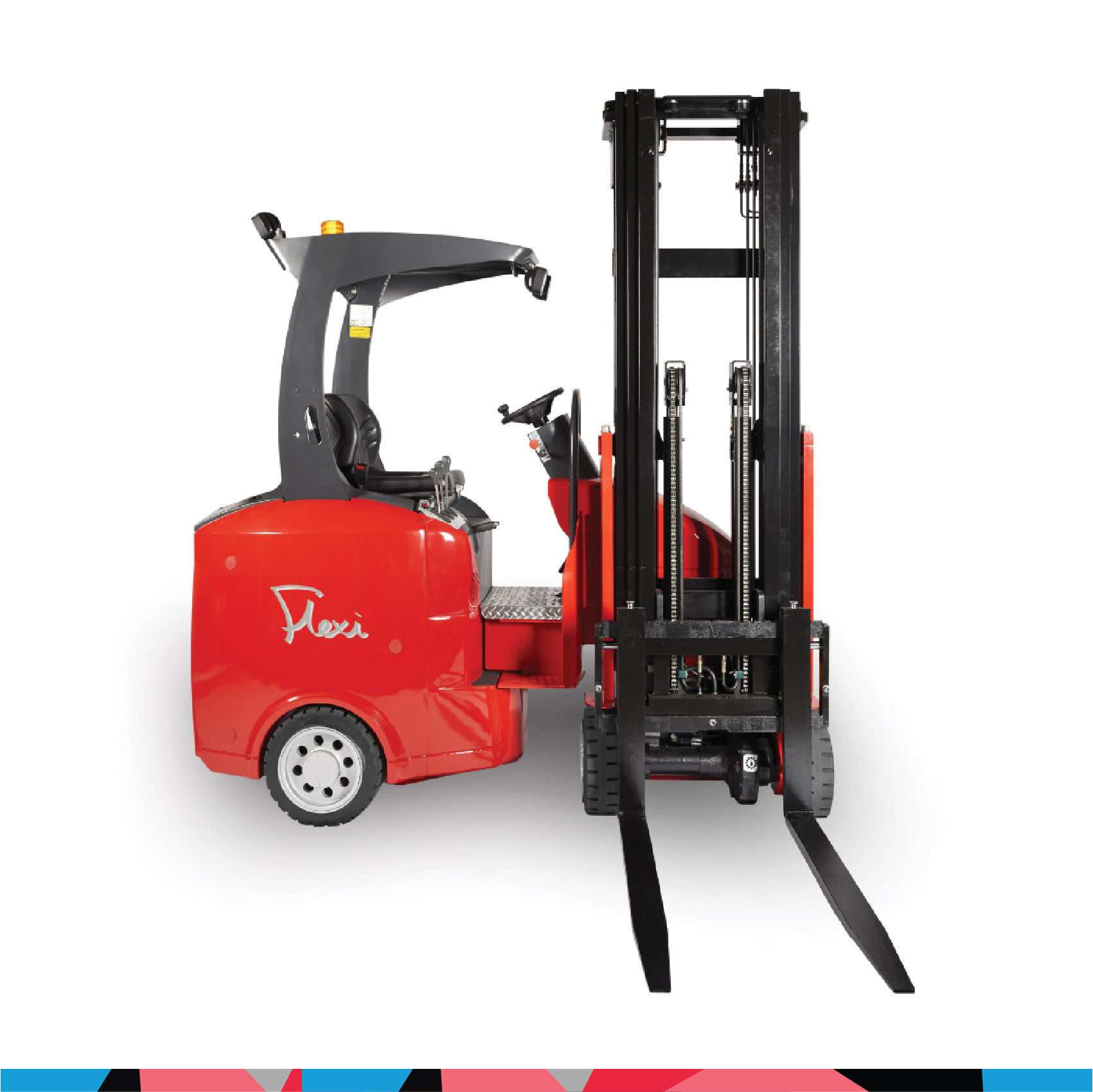
Articulated trucks - like Bendi, Flexi, or Aisle-Master models - are designed for tight spaces like a narrow aisle pallet racking system. They can move through narrow aisles, but also in open spaces, keeping stock flowing without slowing down operations or that need multiple truck types. With the added benefit of being an all-terrain truck, articulated forklift trucks are also able to operate in outdoor operations. Overall, these trucks have a higher up front cost, but offer high versatility to work effectively across mixed operations.
High Level Pallet Racking
High bays of pallet racking does exactly what it says on the tin, extending pallet storage at greater heights, but also comes with additional consideration when it comes to forklift requirements. Having staff work safely at height requires a truck designed to handle heavy pallet loads comfortably.
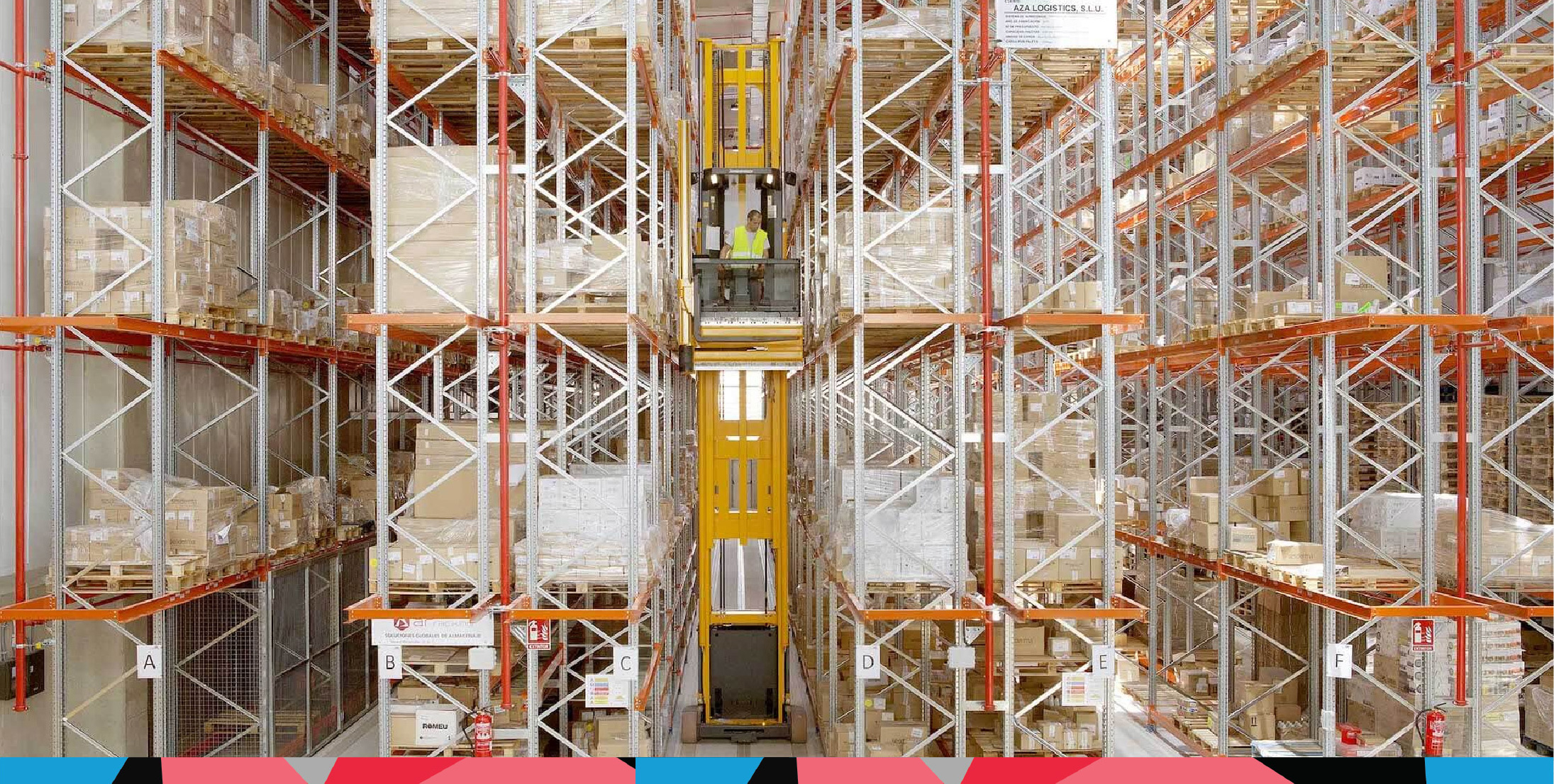
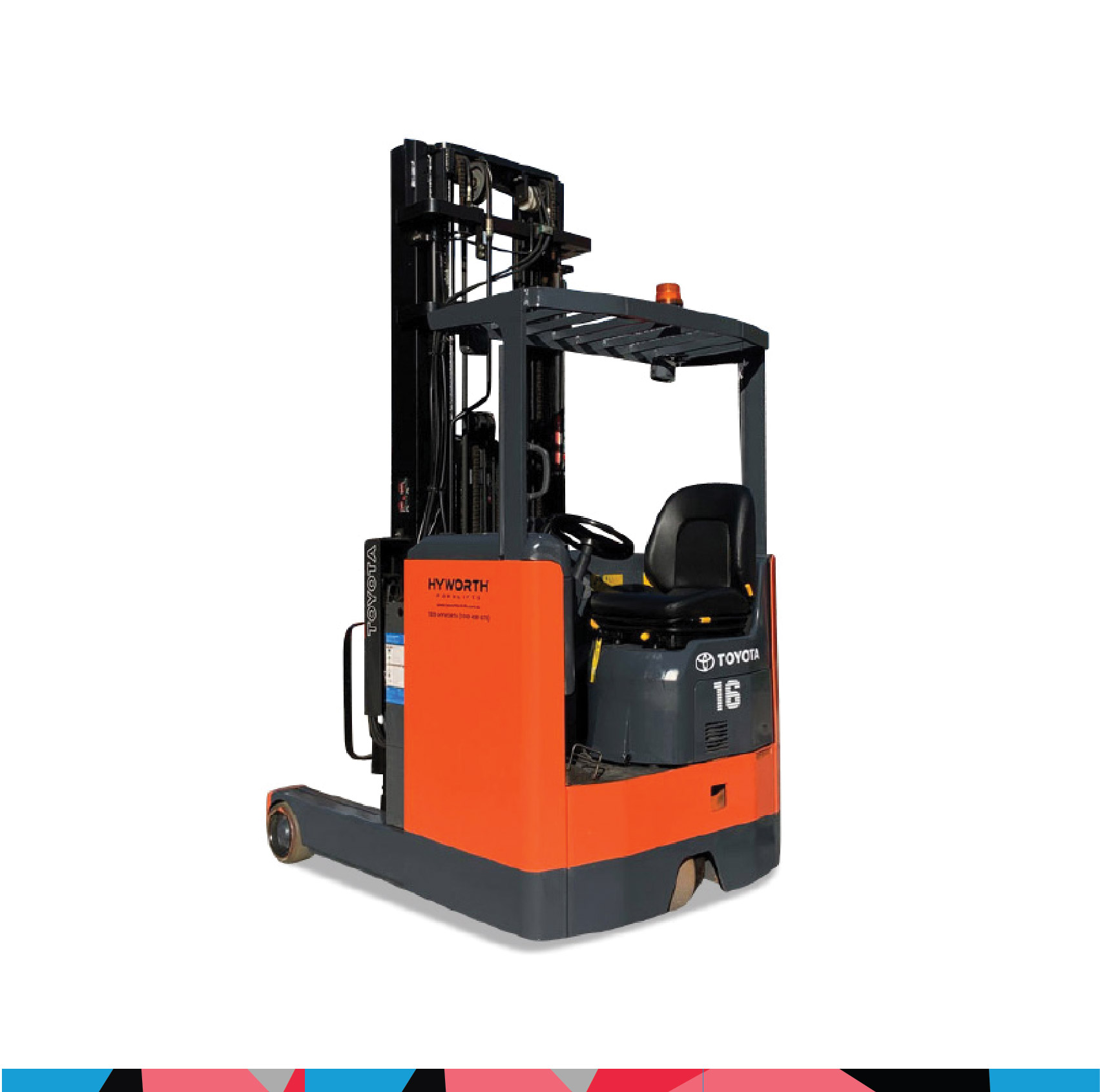
Reach trucks provide the lift and control needed for higher stock locations whilst remaining stable in narrow aisles. For warehouses handling more stock and higher lifts, they reduce risk and enable teams to maintain a steady and efficient workflow.
Why Training Makes a Difference
Even the right forklifts aren’t always enough if operators aren’t confidently trained in how to use them. Accidents often happen in everyday tasks - a misjudged turn, a rushed load placement, or limited visibility in narrow aisles.
Alongside suitable rack protection and warehouse traffic systems, professional training teaches operators how different forklifts interact with racking systems. It helps them to recognise hazards and work safely in busy warehouse environments.
A partner like HL Training offers accredited forklift operator training, including counterbalance, reach truck, and VNA courses. They provide both on-site sessions and training at their centre. With their range of courses that are industry- recognised by ITSSAR, RTITB, and AITT, forklift operators can gain skills that fully meet industry expectations.
Forklift training isn’t just a task to tick off the list. Your operators learn to navigate aisles safely, handle high capacity loads, understand safety protocols when using industrial trucks, and spot the early signs of rack damage. Flexible schedules make it easier to train your team without disrupting your daily operations.
The result is smoother operations, fewer accidents, and greater confidence on the warehouse floor.
Practical Tips for Safer Pallet Racking Operations
Beyond matching forklifts to racking and providing training, there are small practical measures that make a big difference:
- Regular rack inspections: Carry out weekly routine checks where you should look for bent beams, ensure beam deflection is not beyond the rack manufacturers guidance, loose bolts, damaged floor fixings and damaged or dangerously loaded pallets - before they become costly hazards. Ensure you have a SEMA Approved Rack Inspector carry out an annual inspection in line with SEMA guidelines.
- Clear aisle management: Keep aisles free from obstructions such as pallets, equipment, packaging materials and waste, to reduce collisions, improve visibility, and ensures safe, efficient movement of goods and personnel. Maintaining aisles also supports compliance with health and safety regulations and ensures smoother warehouse operations.
- Safe Pallet Racking Loads: Ensure sure pallets don’t exceed rated capacity and are evenly stacked. They must be in good working condition, and be a size that suits your forklift trucks. All pallet racking bays must have weight loading signs signalling the maximum load per bay, and be clearly displayed at the end of each run of racking. Further information on safe weight limits can be found in our useful guide.
- Warehouse Traffic Signage and Floor Markings: Using visual markers, floor signs, and safety signage to communicate traffic rules helps forklift operators and pedestrians navigate safely. This is especially important in very narrow aisle (VNA) systems where space is limited and clear direction is essential. Clear signage improves warehouse safety, reduces accidents, and enhances operational efficiency.
- Forklift Maintenance Schedules: Regular maintenance and inspections warehouse trucks ensures they remain in safe working condition, reducing the risk of unexpected breakdowns, collisions, or workplace accidents. A consistent maintenance schedule helps extend the life of forklifts, improves operational efficiency, and ensures compliance with safety standards across the warehouse.
These practices, combined with the right forklifts and operator training, create a warehouse that is both safer and more reliable.
Pallet Racking Mistakes to Avoid
Even the most experienced operators and warehouse managers can make mistakes that affect safety and efficiency. Being aware of these can prevent costly accidents and downtime:
- Assuming basic training is enough: Many businesses provide only introductory forklift training. Without ongoing, accredited training that matches your racking types, operators may not understand high-level lifts, VNA operations, or how different trucks behave in your warehouse layout.
- Neglecting racking inspections: Racks may look fine from the floor. Small bends or loose bolts often go unnoticed until a heavy load causes damage.
- Overloading pallets or racks: Even minor overloads can destabilise a system over time, increasing risk to staff and stock.
- Ignoring aisle clearance: Temporary storage or equipment blocking aisles can cause collisions, especially in narrow spaces where manoeuvring is tight.
- Treating trucks and racking as separate concerns: Equipment, layout, and human operation are interconnected. A change in one area can impact the others.
Avoiding these mistakes starts with understanding your warehouse operations inside and out, training operators properly, and implementing processes that keep the space safe and functional.
Safer spaces, smarter growth.
Pallet racking safety is not one dimensional - it involves matching forklifts to the space, training operators, and designing workflows that work in practice.
When trucks, racking, and people are fully aligned and working in sync, stock can move efficiently, teams can work safely, and your warehouse can support your business’s growth. By focusing on the right equipment, training, and practical measures, you create a space that works for your current set up, and scales safely for tomorrow.
How BSE UK can help
If you’re looking to improve your warehouse operations and ensure your racking is safe and efficient, BSE UK offers a free pallet racking site visit. Our team can assess your layout, racking systems, and operational flow, and provide practical advice tailored to your business. Call our friendly team on 0117 955 5211 or email [email protected].
Signup to our newsletter below to receive all our latest news!
By submitting this form you agree to our privacy and data protection policy which governs how we deal with personal data.